

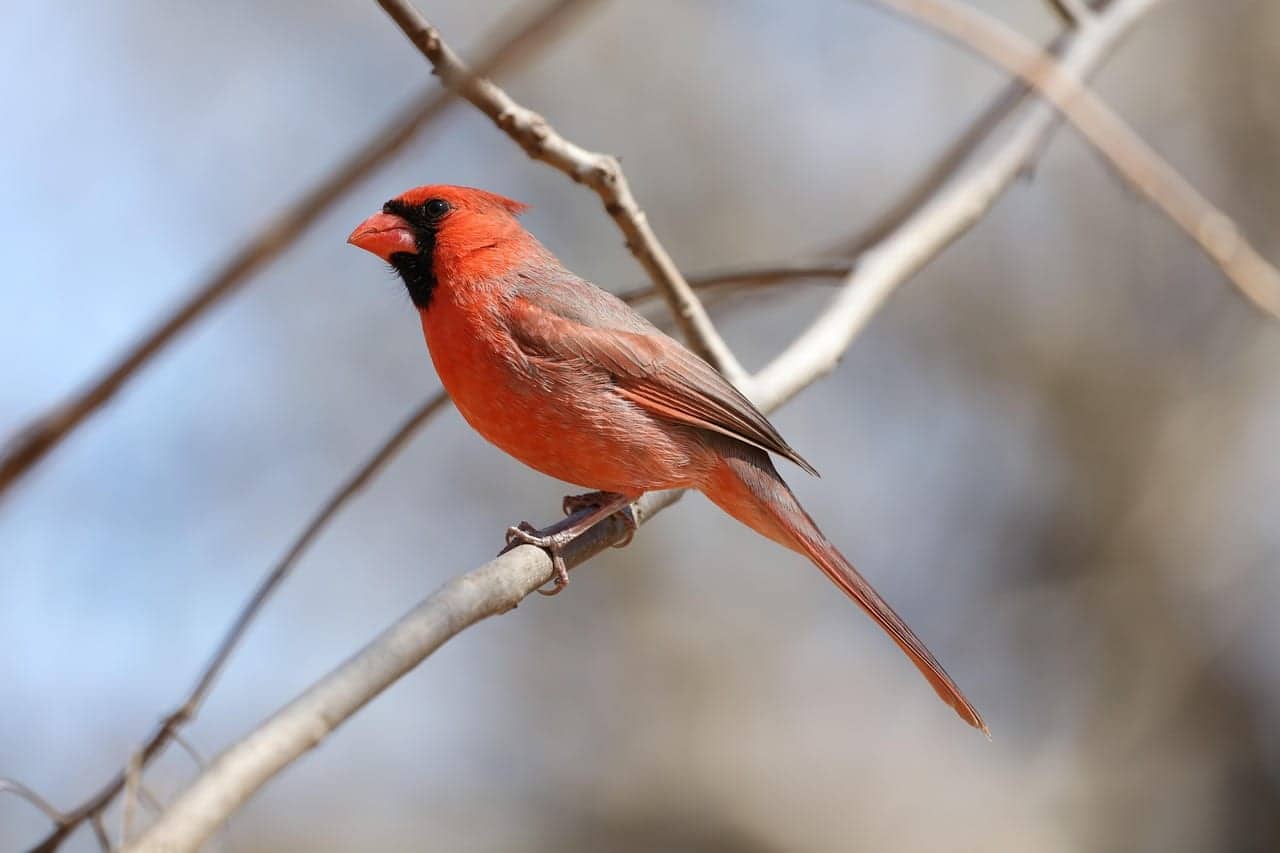
The convergence of ecosystems in Sonora —deserts, wetlands, coastal areas, and tropical dry forest— makes the state a strategic point for bird observation. With more than 500 recorded species, both resident and migratory, the region attracts experienced birders and newcomers alike. Migratory routes between North and South America cross Sonoran territory, producing natural displays that renew with each season.
Key highlights
- Over 500 resident and migratory bird species
- Ecosystem diversity: coast, desert, wetlands, and highlands
- Accessible routes for all experience levels
- Peak migration seasons in spring and fall
Why is Sonora ideal for birdwatching?
The variety of habitats found in Sonora allows the observation of an extraordinary number of species throughout the year. From the Sea of Cortez coastline to riparian zones and desert formations, each ecosystem hosts distinct bird communities. In the Sierra de Álamos–Río Cuchujaqui Reserve, near Álamos, hundreds of species have been documented, including endemic and migratory birds that travel through natural corridors between hemispheres.
Notable observation sites
Sonora features recognized birding locations distributed across its coastal, lacustrine, and highland geography:
- Isla Huivulai and coastal areas near Ciudad Obregón — habitat for pelicans, herons, spoonbills, and various seabirds that feed in the Sea of Cortez.
- Huatabampo wetlands and Laguna de Moroncarit — home to over 500 migratory and resident species, including ducks, geese, and shorebirds.
- San Carlos and Guaymas — a combination of desert, marine, and estuarine habitat where kingfishers, herons, terns, and migratory birds coexist.
Species you can observe
Sonora's ornithological depth offers a wide variety of species, from the coast to the interior of the state:
- Coastal birds: herons, pelicans, spoonbills, and terns on beaches and estuaries.
- Desert birds: greater roadrunner, quail, and various raptors adapted to arid climates.
- Migratory birds: species traveling thousands of kilometers between continents, with stopovers in Sonoran wetlands and oases.
- Urban species documented: quail, moorhens, anis, and kingfishers have been recorded in municipalities like Hermosillo.
Best time to visit
Birdwatching in Sonora is possible year-round; however, spring and fall offer the highest concentration of species thanks to migratory cycles. During these periods, numerous birds traveling between North and South America stop at coastal zones, estuaries, and oases throughout the state, creating exceptional observation opportunities.
Recommendations for your visit
To make the most of the birdwatching experience, consider the following:
- Schedule outings at dawn or dusk, when birds are most active.
- Bring binoculars or a camera with good reach to observe species from a distance without disturbing them.
- Respect natural habitats: stay on established trails and avoid leaving waste.
- Carry sufficient water, sun protection, and comfortable footwear for walking on natural terrain.